



 To be the most satisfactory energy and environment company in the world




Focus on global challenges and pressures, provide competitive energy and environmental solutions and services, and continuously create maximum value for customers.
Technical Characteristics

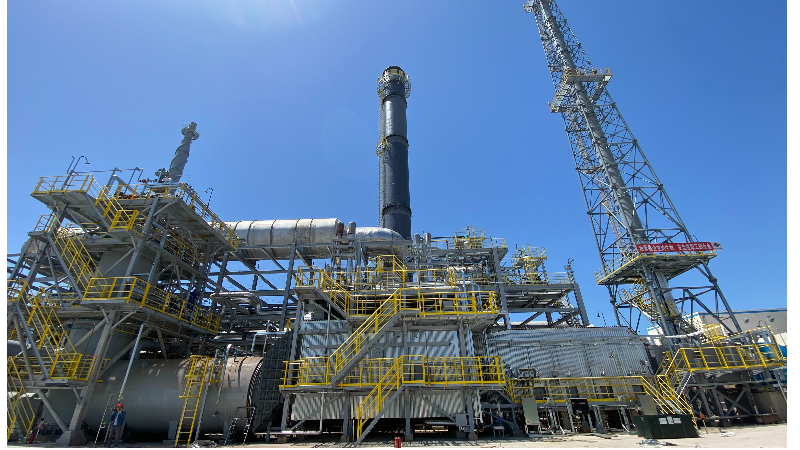
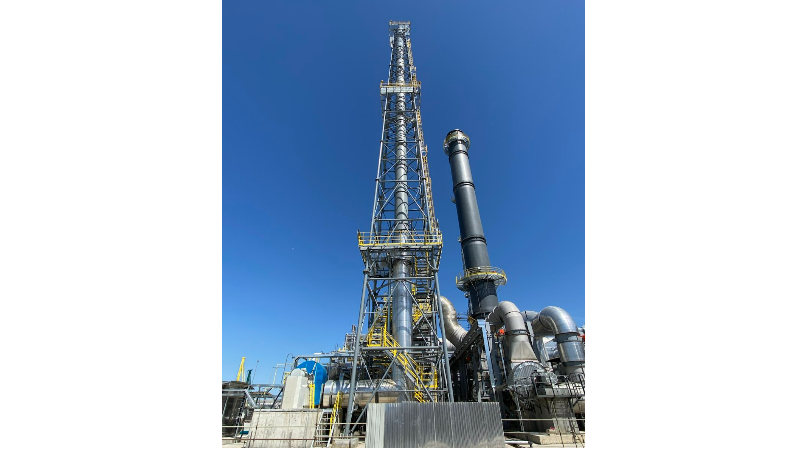
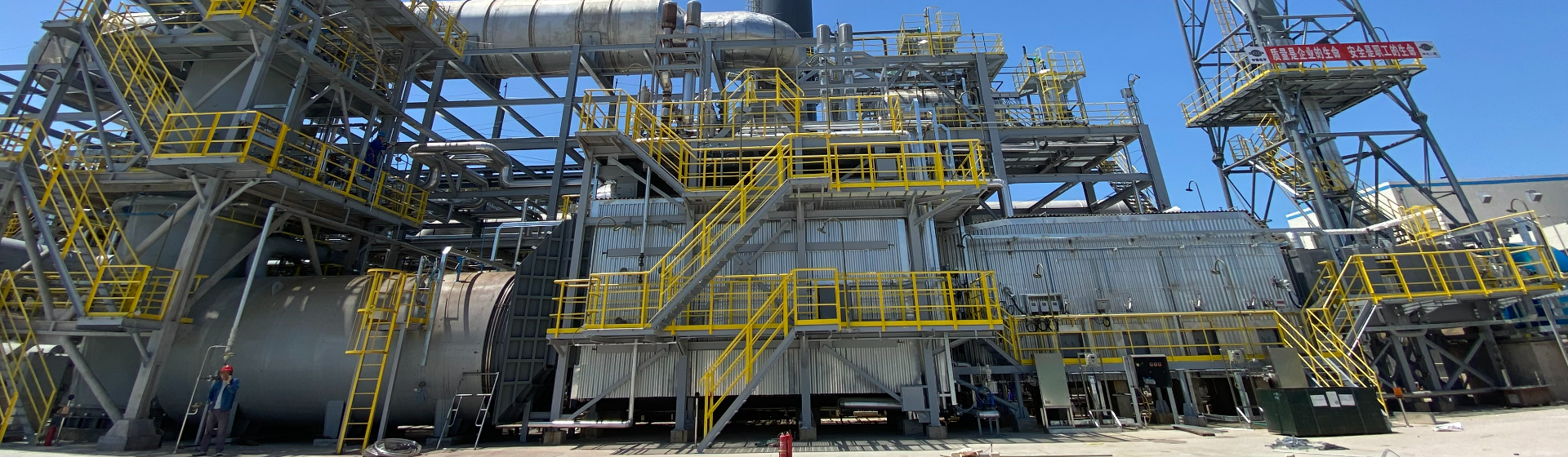
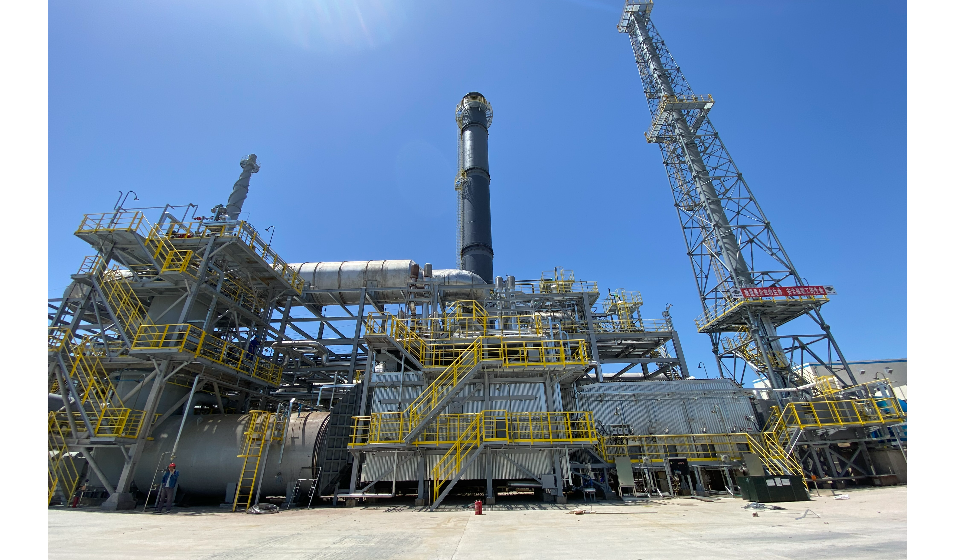
The core process uses a direct-fired thermal oxidizer (TO) furnace.
High destruction performance: The system is designed to GB 18484-2020, Standard for Pollution Control on Hazardous Waste Incineration. A combustion temperature above 1,100°C and a gas residence time of at least 2 seconds ensure thorough oxidation and decomposition of organic compounds in the waste liquids and gases. Both destruction and removal efficiency and combustion efficiency are guaranteed to exceed 99.99%.
Resistance to fluctuating loads: Waste-liquid and waste-gas discharge from the ABS unit varies substantially. Intelligent controls dynamically adjust combustion conditions to the feed's calorific value and flow, maintaining a stable furnace temperature during major operating fluctuations.
Integrated purification and heat recovery: The system incorporates waste-heat recovery and SCR denitrification. A waste-heat boiler recovers heat from high-temperature incineration to generate steam for the production process, reducing energy consumption. SCR treatment controls nitrogen oxides to meet ultra-low emission requirements.
Solution

The integrated solution combines co-incineration of waste liquids and gases with advanced exhaust-gas purification.
Co-treatment of multiple waste streams: SAN waste liquid, butadiene waste liquid, acrylonitrile wastewater and extremely concentrated oxygen-free off-gas from the No. 2 ABS unit are collected and treated together. Dedicated burners and injection lances atomize liquid waste and introduce it into the furnace alongside gaseous waste.
High-temperature turbulent oxidation: Auxiliary fuel rapidly raises the furnace temperature above 1,100°C, maintaining a high-temperature residence time of at least 2 seconds. Styrene, acrylonitrile, butadiene and other organic components are oxidized into carbon dioxide and water vapor, eliminating the environmental risks posed by the hazardous compounds at source.
Comprehensive exhaust treatment: High-temperature flue gas passes through the heat-recovery system and then SCR denitrification. Treated gas meeting the emission requirements is discharged through a stack. A continuous emission monitoring system (CEMS) monitors sulfur dioxide, nitrogen oxides, particulate matter, non-methane hydrocarbons and specific pollutants such as acrylonitrile and styrene in real time.
Get The Effect
Stable operation delivers environmental and compliance benefits.
Emissions outperform national requirements: The exhaust meets GB 18484-2020, GB 31571-2015 and the project's stringent special emission limits. Non-methane hydrocarbons are controlled below 20 mg/m³, nitrogen oxides below 30 mg/m³ and particulate matter below 5 mg/m³. Specific pollutants meet very low limits, including acrylonitrile at no more than 0.4 mg/m³.
Hazardous-waste reduction: High-temperature incineration achieves a destruction and removal efficiency exceeding 99.99% for the concentrated organic waste liquids and gases. It destroys their biological toxicity and chemical reactivity, prevents secondary pollution and addresses the challenge of concentrated organic hazardous waste in petrochemical plants.
Cascaded energy use: The chemical energy in the waste streams is recovered as usable steam. This reduces operating energy consumption while meeting environmental requirements, reflecting the principles of waste reduction, harmless treatment and resource recovery.