 To be the most satisfactory energy and environment company in the world




Focus on global challenges and pressures, provide competitive energy and environmental solutions and services, and continuously create maximum value for customers.
Technical Characteristics

Combined evaporation and cooling crystallization separates the salts according to their different solubilities: sodium carbonate is recovered by evaporative crystallization and sodium bromide by cooling crystallization.
A staged crystallization system first uses two-effect evaporation to recover most sodium carbonate at ≥99% purity, then a second sodium-carbonate stage recovers the remainder and sends mother liquor to purification. A sodium-bromide stage combines evaporation and cooling after purification, recovering product at ≥98.5% purity.
Advanced solid-liquid separation uses recrystallized silicon-carbide ceramic membranes to remove insoluble material, including cobalt and manganese PTA-catalyst compounds, achieving filtrate turbidity below 1 NTU. Thickeners and centrifuges separate crystals from mother liquor. Flat-sheet membranes require offline cleaning no more frequently than every 30 days and have a warranty exceeding 3 years.
Solution

1. Filtration: Furnace ash is dissolved in water and filtered in ceramic-membrane tanks to remove heavy-metal salts such as cobalt and manganese and other insoluble matter. Filtrate enters the feed tank. Clear feed-tank liquid backwashes the membranes; sludge is settled and transported off site.
2. Primary sodium-carbonate crystallization: Clarified feed at 25 t/h, 20% concentration and 60°C passes through the first and second effects, heated by saturated steam at 138°C. Crystal slurry is thickened and centrifuged. Sodium carbonate purity is ≥99% on a dry basis. A screw conveyor sends product to a silo for packing or dissolution into 25% solution for reuse. Mother liquor is partly recirculated and partly sent to the secondary evaporation stage.
3. Secondary sodium-carbonate crystallization: Supernatant from the second effect, containing about 30% sodium bromide and 8.38% sodium carbonate, is further evaporated to recover residual sodium carbonate. After thickening and centrifuging, crystals are dissolved with mother liquor and returned to the primary stage.
4. Purification: Hydrobromic acid neutralizes residual sodium carbonate in the clarified liquid, controlling pH to protect sodium-bromide purity. An acid-mist absorber on the acid tank prevents vapor release.
5. Sodium-bromide crystallization: Purified liquid containing about 54.4% sodium bromide enters the third evaporation/crystallization stage and then a cooling thickener using chilled water at 12–17°C. Reduced solubility precipitates additional crystals. Centrifugation yields sodium bromide at ≥98.5% purity, and mother liquor is recirculated.
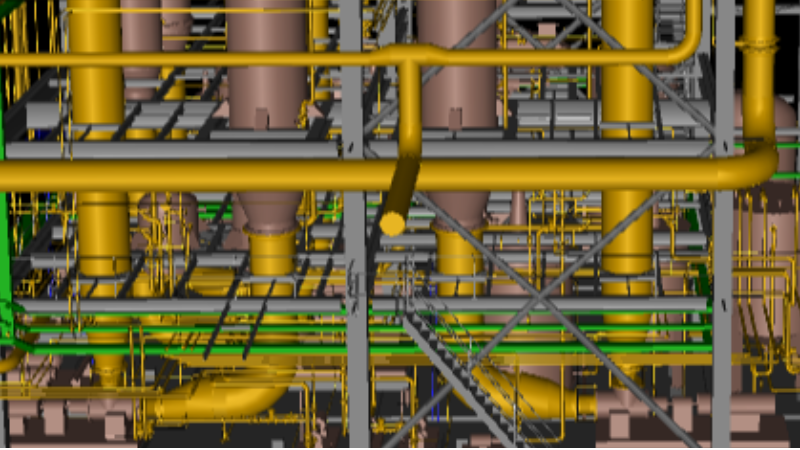
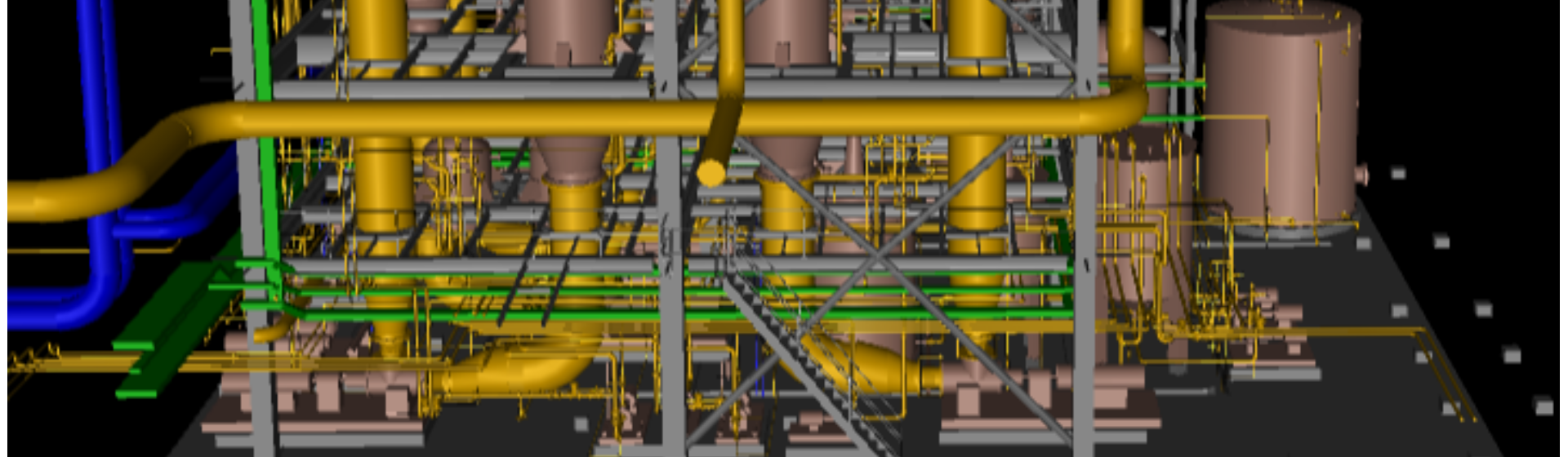
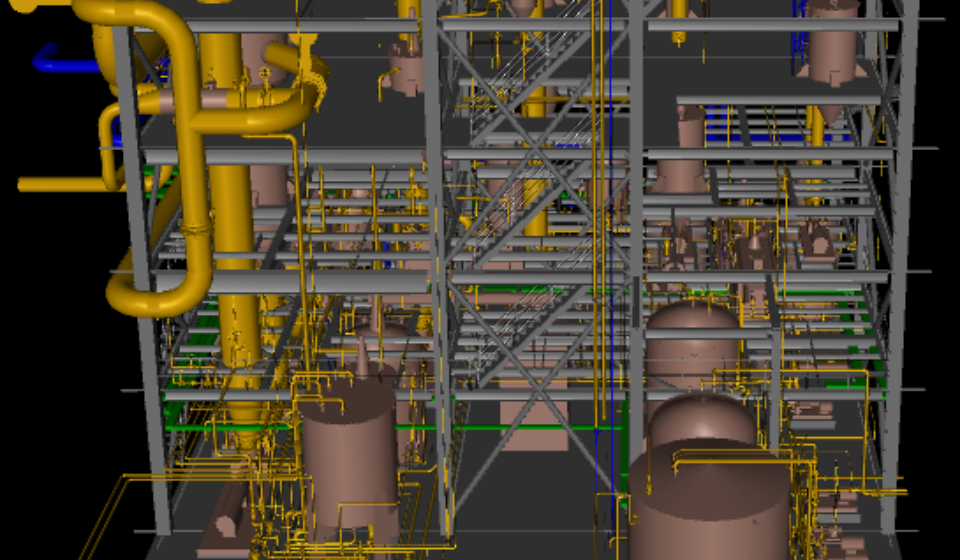
Get The Effect
High-value salt recovery: Sodium carbonate purity is ≥99%, appearing as a white powder; sodium bromide purity is ≥98.5%. Sodium-carbonate recovery is ≥90%, and combined solid/liquid sodium-bromide recovery is ≥80%.
High-quality condensate reuse: Conductivity is below 40 μS/cm and sodium below 10 ppm. Condensate is reused to dissolve furnace ash and wash evaporator separators, reducing demineralized-water demand.
Stable long-cycle operation: Operating range is 0–120%, including sustained operation at 120% load. Maintenance interval is at least 6 months, annual design operation is 8,400 hours and service life exceeds 20 years. Ceramic-membrane cleaning interval is at least 30 days, water recovery is ≥95% and filtrate turbidity is below 1 NTU.
Economic and environmental benefits: Ash previously requiring disposal is converted into industrial-grade sodium carbonate and sodium bromide. Sodium carbonate can be reused or sold; sodium bromide is a high-value chemical product. Hazardous-waste quantities and disposal costs are reduced.