 To be the most satisfactory energy and environment company in the world


Focus on global challenges and pressures, provide competitive energy and environmental solutions and services, and continuously create maximum value for customers.
Technical Characteristics

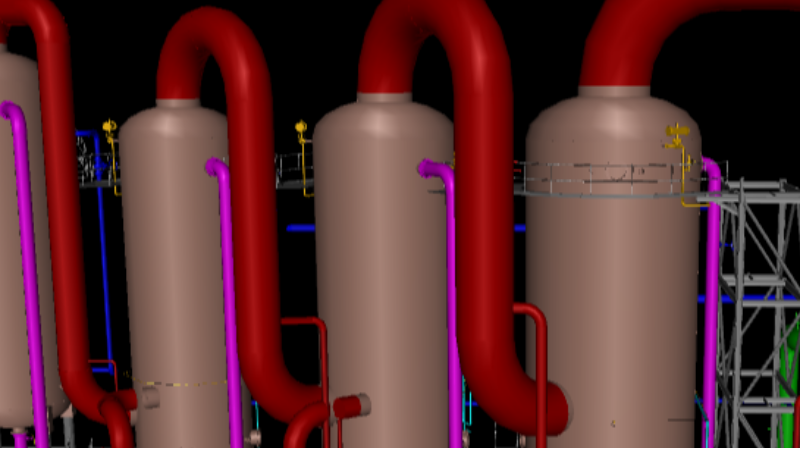
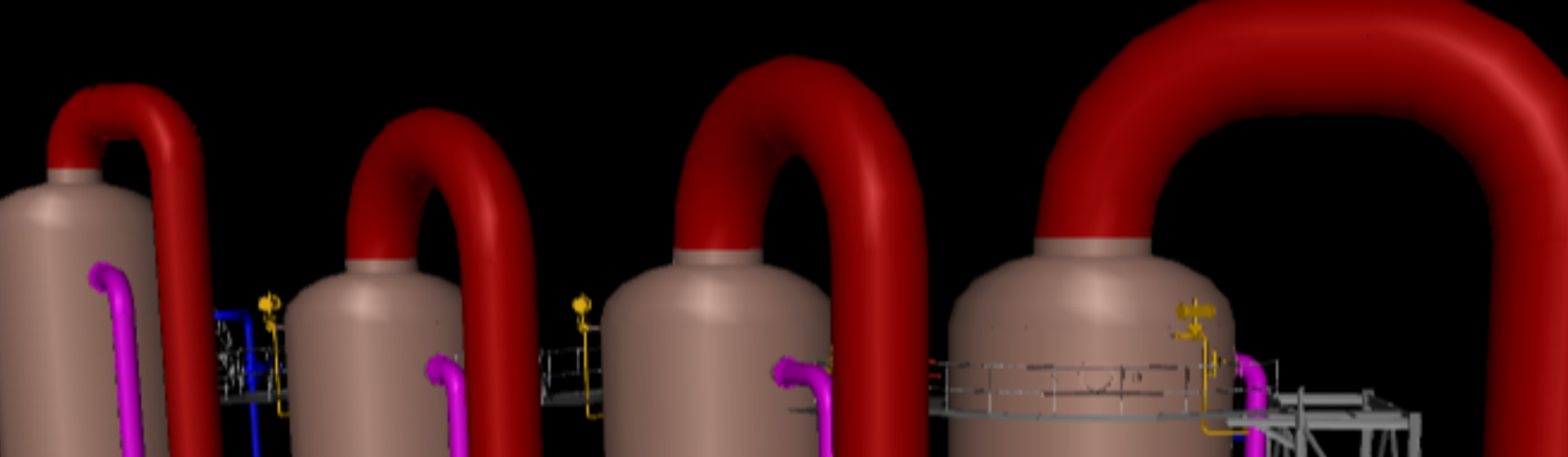
Five-effect falling-film evaporation combined with two-effect forced-circulation evaporation: Five plate-type falling-film effects treat 350 t/h of combined wastewater at full load, concentrating it from 1% to 25%. Two forced-circulation effects ahead of the furnace treat 40 t/h of intermediate concentrate and raise concentration to 60%. The systems operate in series for staged concentration.
Cascaded heat use: The falling-film system uses organic vapor from the main plant at 100°C; the pre-furnace system uses SLL steam. Secondary vapor from each effect heats the next. Final-effect vapor preheats feed or is condensed. Vapor from the second pre-furnace effect and the salt-separation unit returns to the multi-effect system for deeper heat recovery.
Intelligent monitoring: Online density meters control concentrate strength. Online conductivity and COD analyzers monitor condensate quality. Pressure interlocks automatically wash evaporator demisters.
Solution

Multi-effect falling-film system: Combined RO concentrate, alkali-scrubber waste liquid and wastewater-pit streams are preheated to 40°C using vapor from effect V, then concentrated through effects V → IV → III → II → I. Concentrate exits effect I at 25%. Each effect has an automatically washed demister. Effects III–V use self-stripping to separate clean and contaminated condensate. Heavily contaminated condensate returns to the main plant; lightly contaminated condensate and condensate from effects I–II are collected and pumped back for reuse.
Pre-furnace two-effect forced-circulation system: Multi-effect concentrate is mixed with concentrated CRU filtrate from the main plant. The mixture passes through forced-circulation heaters and separators in effect II and then effect I, heated by SLL steam at 138°C. Final concentrate at 60% is pumped to the furnace feed tank. Vapor from effect I heats effect II. Effect-II vapor and non-condensables can be sent to the multi-effect system or condensed separately.
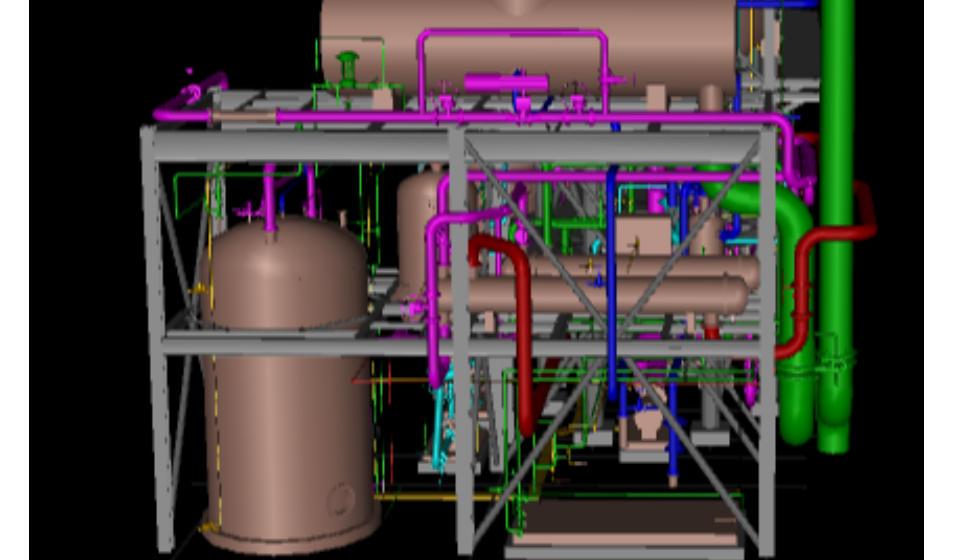
Get The Effect
Energy and carbon savings: Main-plant waste heat, including 100°C organic vapor and 138°C SLL steam, is combined with secondary-vapor reuse to reduce imported steam demand. The system is designed for 8,400 operating hours per year.
Wastewater concentration: The multi-effect system converts 350 t/h of 1% wastewater to 14 t/h of 25% concentrate, evaporating 336 t/h of water. The two-effect system converts 40 t/h of 25% intermediate liquor to 16.7 t/h of 60% concentrate, with reported evaporation of 23.4 t/h. Volume reduction lowers the downstream alkali-furnace load.
Condensate reuse: Multi-effect condensate conductivity is below 20 μS/cm and sodium below 5 ppm. Pre-furnace condensate conductivity is below 40 μS/cm and sodium below 10 ppm. Both meet main-plant reuse requirements.