 To be the most satisfactory energy and environment company in the world




Focus on global challenges and pressures, provide competitive energy and environmental solutions and services, and continuously create maximum value for customers.
Technical Characteristics

High-capacity efficient heating: Two 11.5 MW furnaces provide 23 MW in total, with design thermal efficiency ≥96% and Grade 1 efficiency under GB 24500-2020.
Fuel flexibility: Burners operate on natural gas and propane, simultaneously or by switching fuels, and co-fire plant off-gases containing ethylene and ethane.
Low-NOx combustion: Gas staging and flue-gas recirculation suppress thermal NOx. No separate denitrification unit is installed; NOx is ≤50 mg/m³, dry standard gas corrected to 3.5% oxygen.
Three-stage heat recovery: Flue gas passes from the thermal-oil furnace through a superheater, horizontal fire-tube waste-heat boiler and air preheater before stack discharge. Exhaust temperature is ≤90°C. Recovered heat produces superheated steam at 0.5 MPa(g) and 210°C.
Safety and intelligent control: The DCS provides interlocks for ignition safety, expansion-tank level, combustion-air pressure and tube overtemperature.
Solution

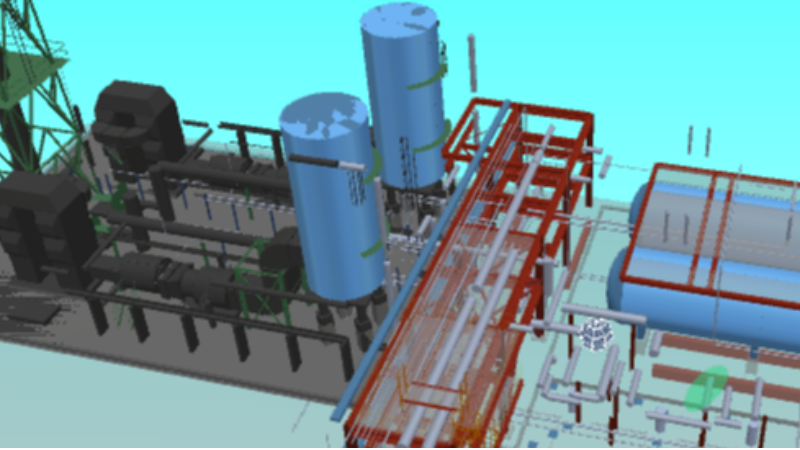
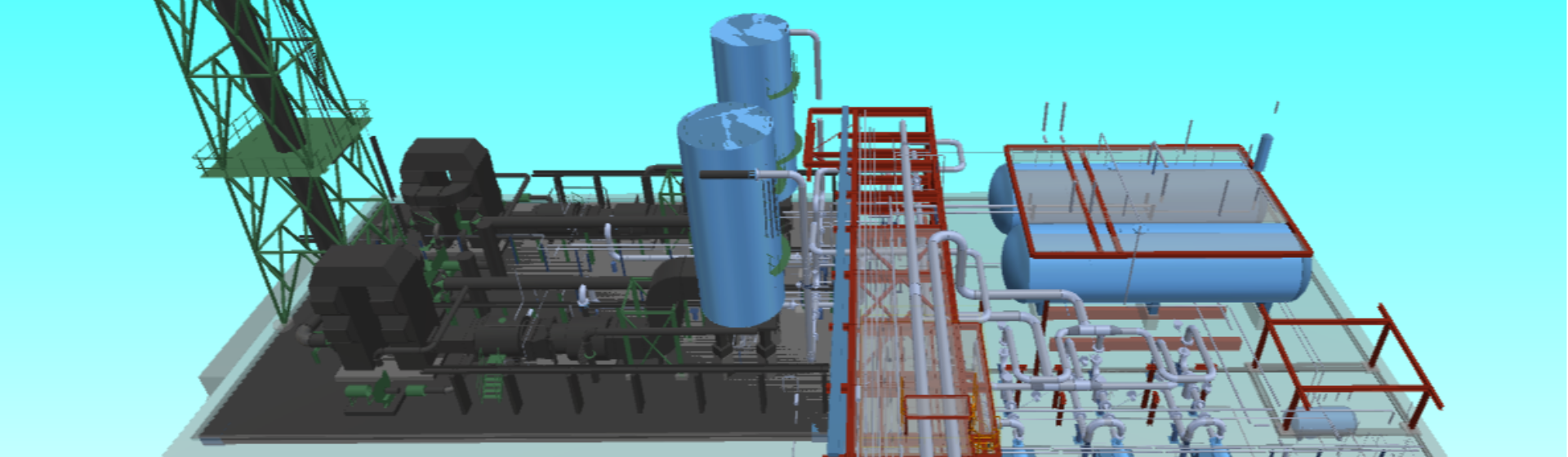
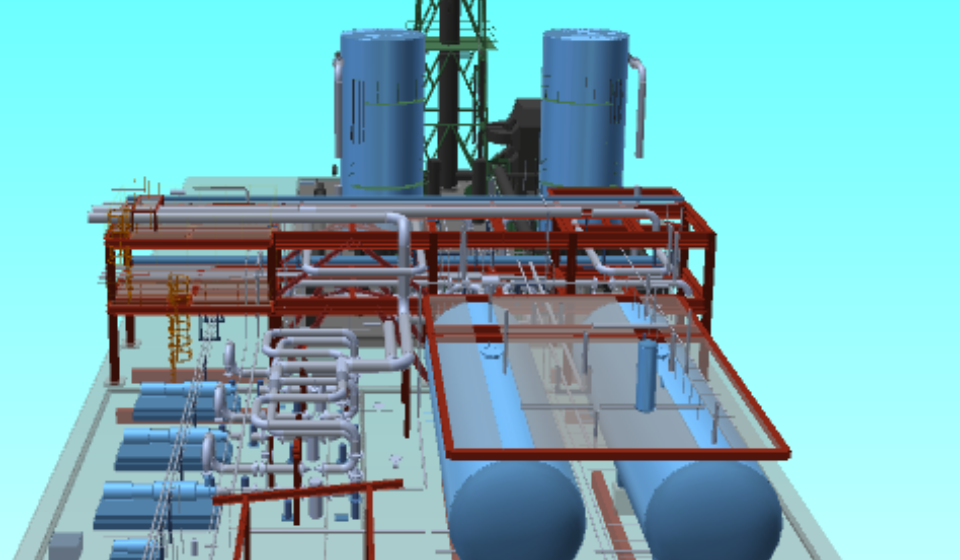
Furnace: A vertical three-pass coil design uses Grade 20 tubes to GB/T 3087, a shell at least 8 mm thick, composite refractory at the top and bottom and aluminum-silicate fiber blanket insulation. Design life is 20 years, with four years of continuous operation before major overhaul.
Burners and fuel: Each furnace has one pyneo low-NOx gas burner with 6:1 turndown, pilot flame and UV detection. Separate natural-gas and propane lines include double shutoff valves, pressure regulation, flame arresters and nitrogen purging.
Heat recovery: A superheater and horizontal fire-tube waste-heat boiler convert 80°C deaerated feedwater into 210°C superheated steam for the site's steam network.
Oil supply and storage: Storage, elevated expansion and low-level tanks, unloading and filling pumps and circulating pumps support full-system draining at shutdown. T66 thermal oil meets GB 23971-2009.
Air and flue gas: Variable-speed forced-draft and recirculation fans precisely regulate excess air and furnace temperature.
Get The Effect
Energy efficiency: Thermal efficiency is ≥96% and exhaust temperature ≤90°C, saving about 5–8% energy compared with conventional thermal-oil furnaces. Steam recovery reduces purchased steam demand.
Emissions at 3.5% oxygen: particulate matter ≤20 mg/m³, SO₂ ≤20 mg/m³, NOx ≤50 mg/m³ and CO ≤100 mg/m³, outperforming the special limits in GB 31571-2015 and meeting environmental-assessment requirements.
Reliability and safety: Annual operation is ≥8,000 hours and overall equipment life is 20 years. Critical interlocks use SIL2 instruments. The ignition system combines double shutoff valves with leak checking.
Fuel recovery: Flexible natural-gas/propane firing and stable off-gas co-firing convert streams otherwise vented or flared into useful heat, saving energy and reducing carbon emissions.
Operation: Central DCS monitoring achieves oil-temperature accuracy of ±1°C over a 50–120% load range. Remote pushbuttons and local panels reduce manual work and operational error.