 To be the most satisfactory energy and environment company in the world




Focus on global challenges and pressures, provide competitive energy and environmental solutions and services, and continuously create maximum value for customers.
Technical Characteristics

The full process package—from feed blending and incineration through heat recovery, denitrification, dust and acid removal to ash treatment—is independently designed. An advanced SMP blending system conditions different waste forms. Independently developed low-NOx burners and waste-liquid/gas lances ensure low-NOx combustion and destruction performance. The associated technology received the Second Prize of the National Science and Technology Progress Award, and the lance patent received the China Patent Excellence Award. Proprietary ultra-low-emission denitrification, dust collection and acid-removal technology received the First Prize of the National Technological Invention Award. Five feed methods at the kiln inlet and five liquid-injection lance types in the secondary chamber provide a comprehensive feed arrangement.
Solution

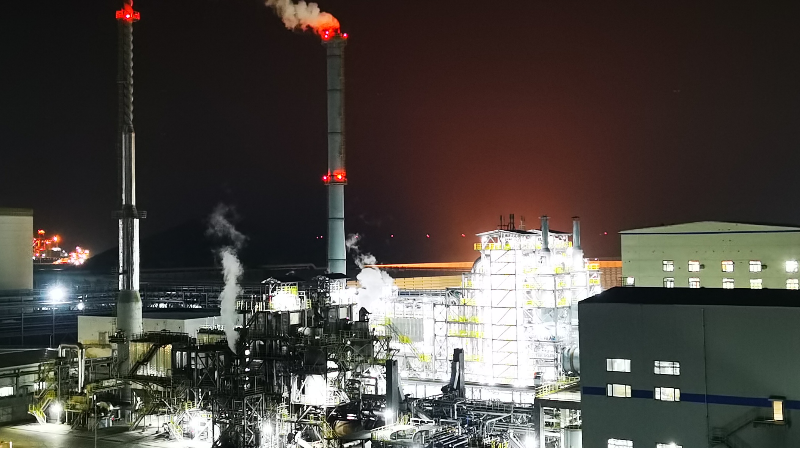
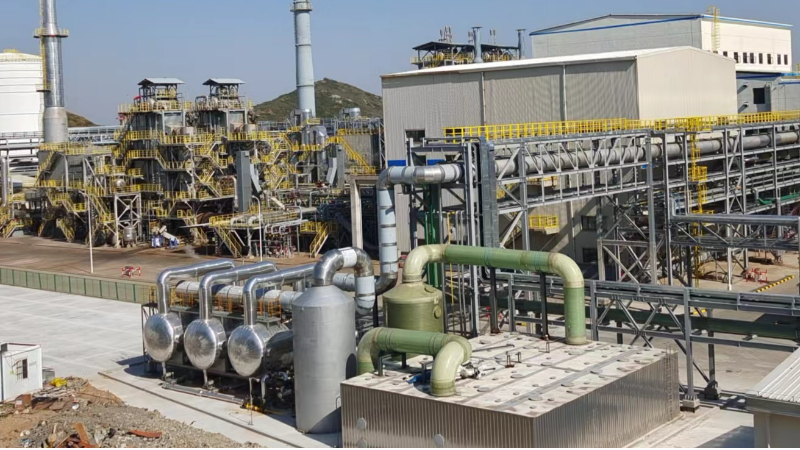
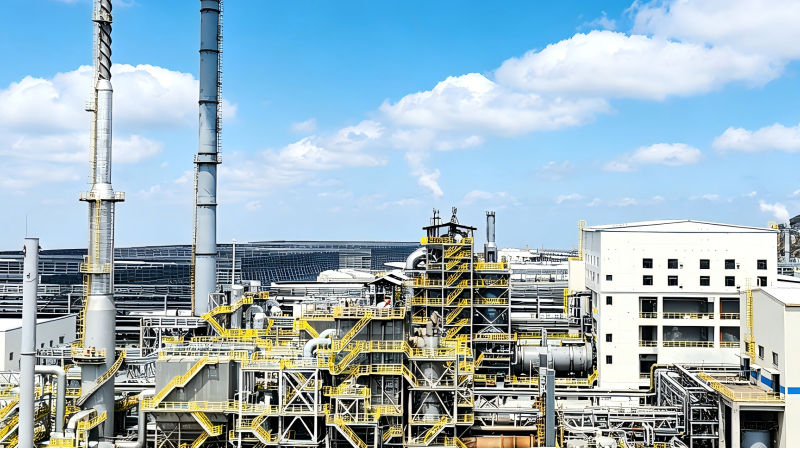
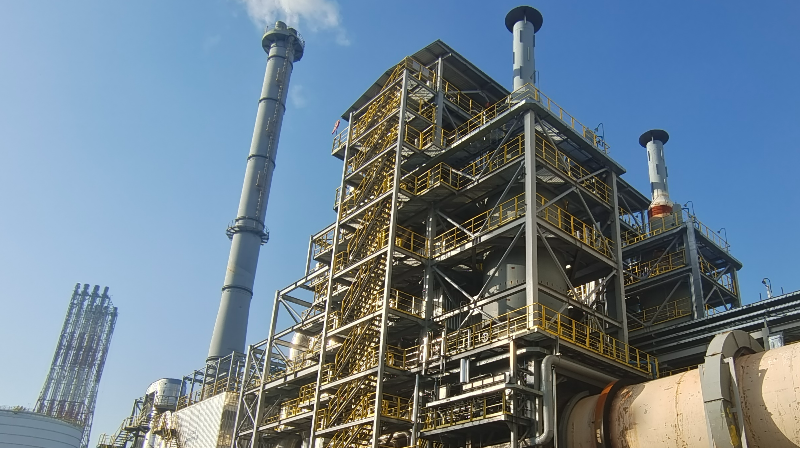
The main train comprises SMP feed and pit-crane grab/pusher feed, rotary kiln, secondary combustion chamber, waste-heat boiler, SNCR, quench tower, hydrated-lime/activated-carbon dry tower, bag filter, two-stage acid-removal towers, steam heater and stack.
Bulk-bag and containerized wastes pass through the SMP elevator, crusher, mixer and plunger pump for blending and kiln feed. Small bags and drums are handled by crane and kiln-inlet pusher. Tank-farm liquids enter through dedicated pumps and lances. Wet oily sludge and sludge are fed by screw pump to the SMP mixer or kiln inlet; dry sludge is conveyed by scraper and screw conveyors.
A membrane-wall empty-pass waste-heat boiler uses steam sootblowing to limit ash deposition and slagging. A 2205-lined quench tower avoids detachment risks associated with castable or acid-resistant linings. SNCR removes NOx; PTFE bags with PTFE membranes collect dust. Sodium-alkali wet scrubbing with countercurrent spray towers removes acid gases.
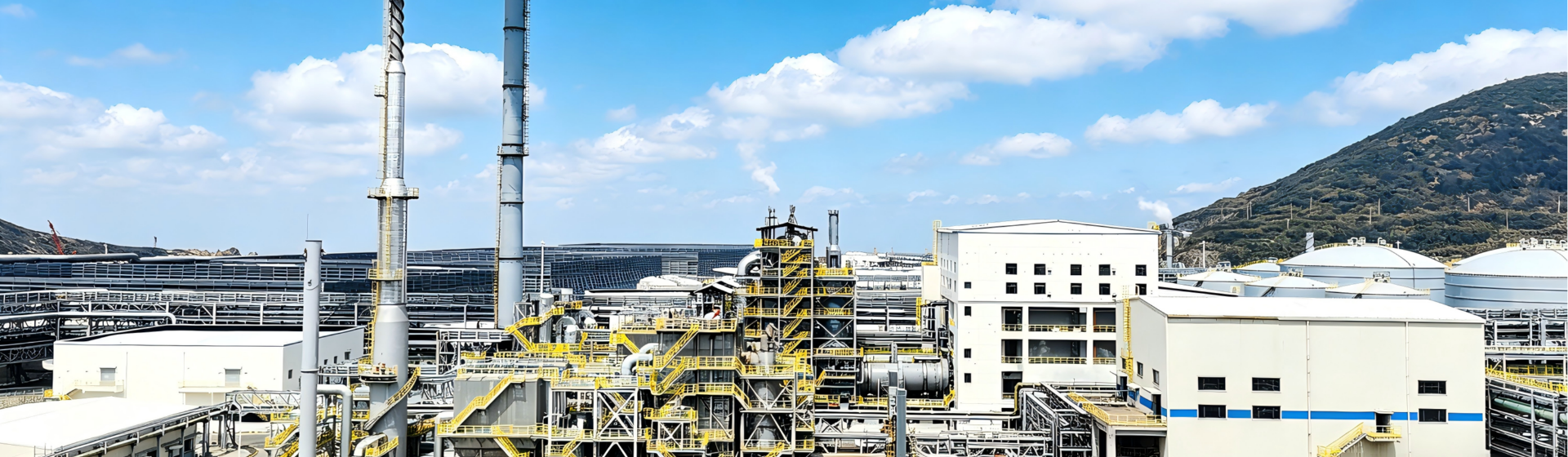
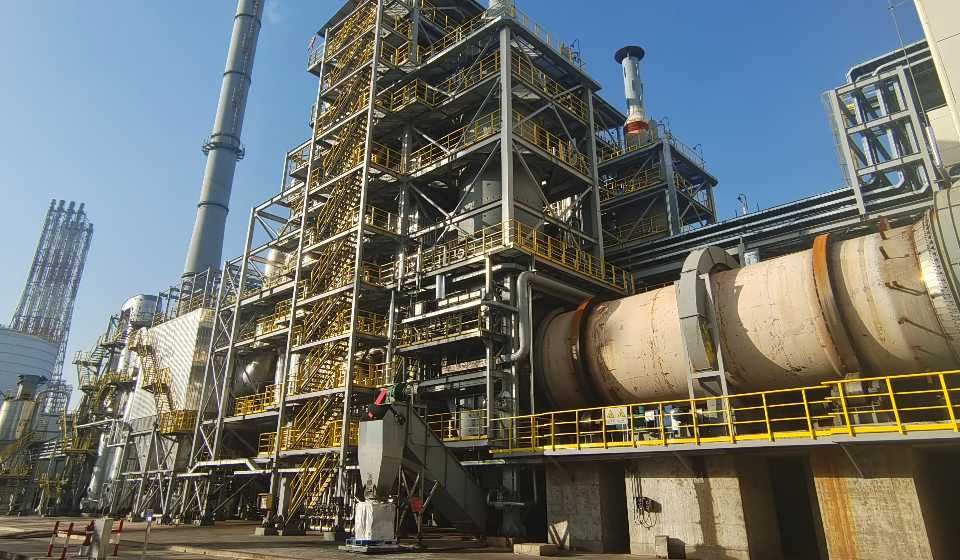
Get The Effect
Annual hazardous-waste treatment is 72,000 tonnes. At an assumed off-site disposal cost of RMB 2,000 per tonne, annual avoided disposal costs are RMB 144 million. Two 14.5 t/h waste-heat boilers generate approximately RMB 42 million in annual steam revenue at RMB 200 per tonne. Design emissions outperform GB 18484: SO₂ ≤35 mg/Nm³, HCl ≤30 mg/Nm³, HF ≤2 mg/Nm³, dust ≤10 mg/Nm³ and NOx ≤80 mg/Nm³.