



 To be the most satisfactory energy and environment company in the world




 Release Time:2026-01-30
 Source:pyneo
AI Plus Energy: A Blueprint for Green Productivity
Editor's Note
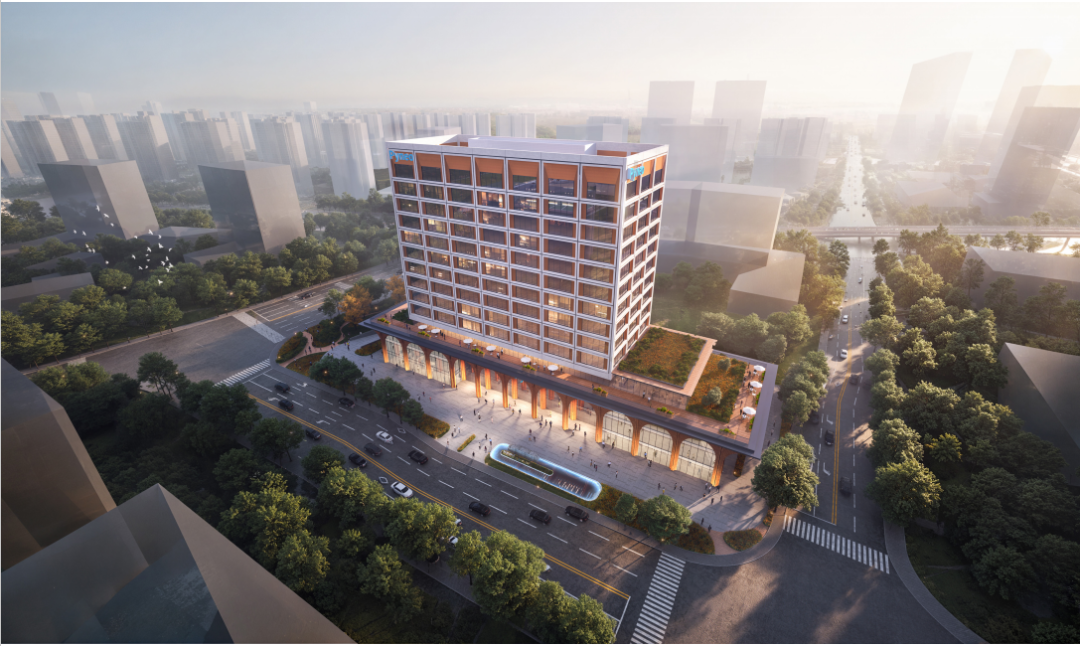
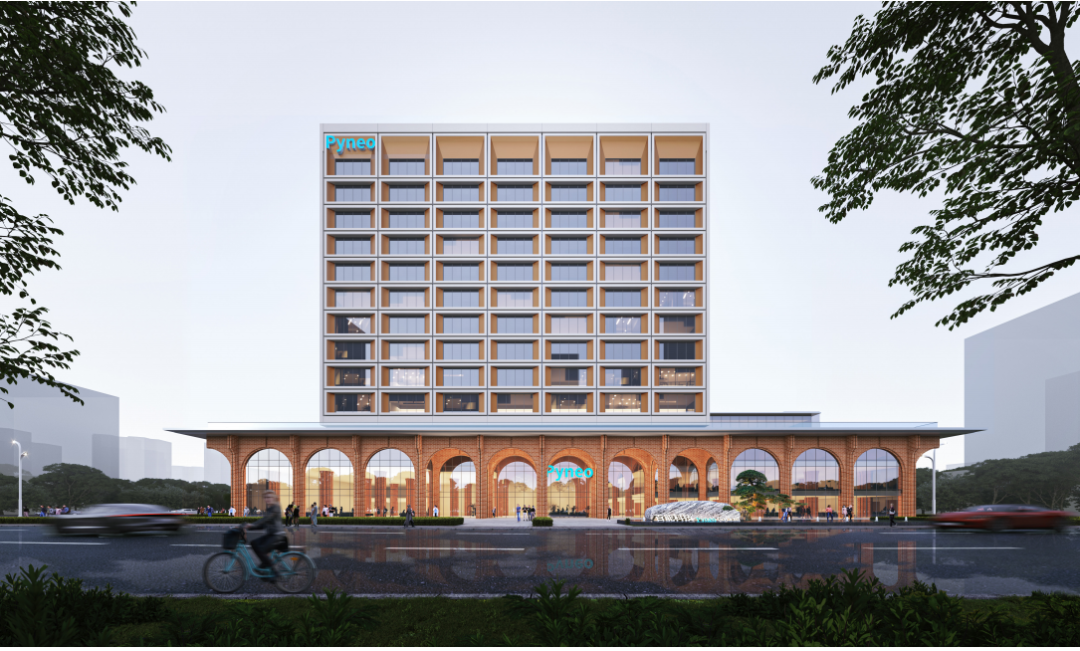
Digital design and real-time simulation illustrate the intelligent capabilities pyneo is building into its future headquarters. In Hangzhou Future Sci-Tech City, construction is underway on a 36,000 m² base centered on AI plus energy and a future-factory vision. It is intended to combine headquarters offices and R&D with an innovation platform connecting research to industrial application, integrating smart manufacturing and green energy under China's carbon goals.
1. Twenty Years of Energy and Environmental Technology
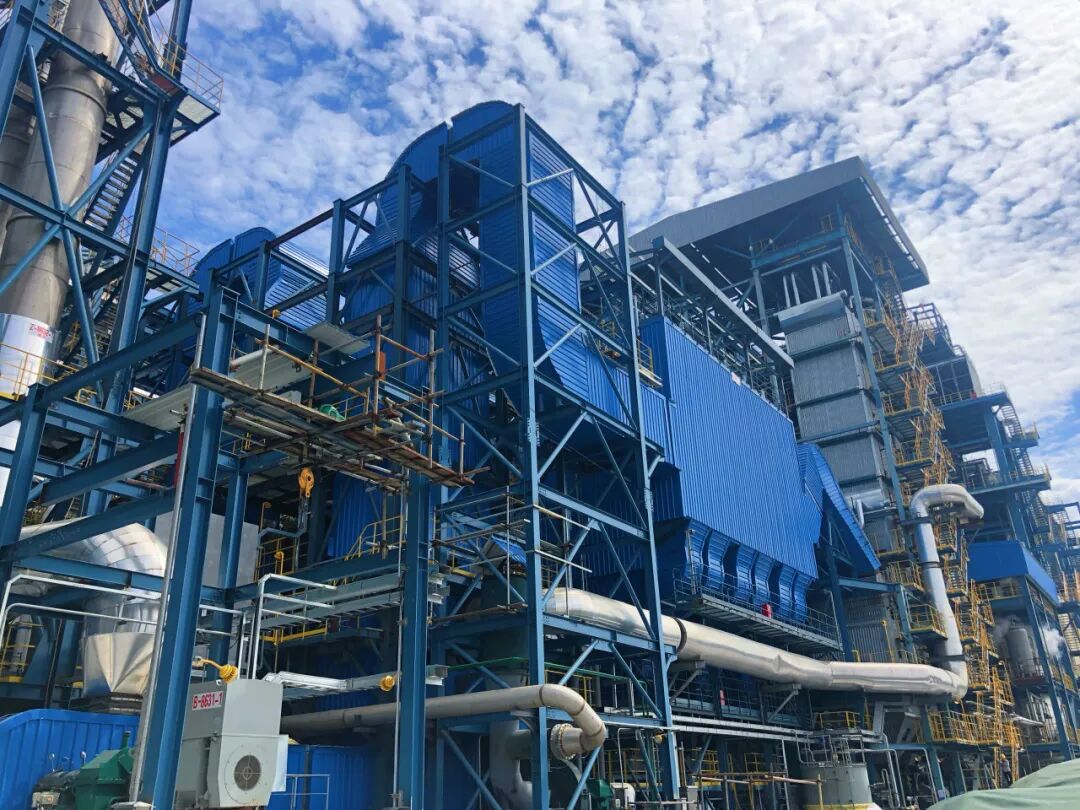
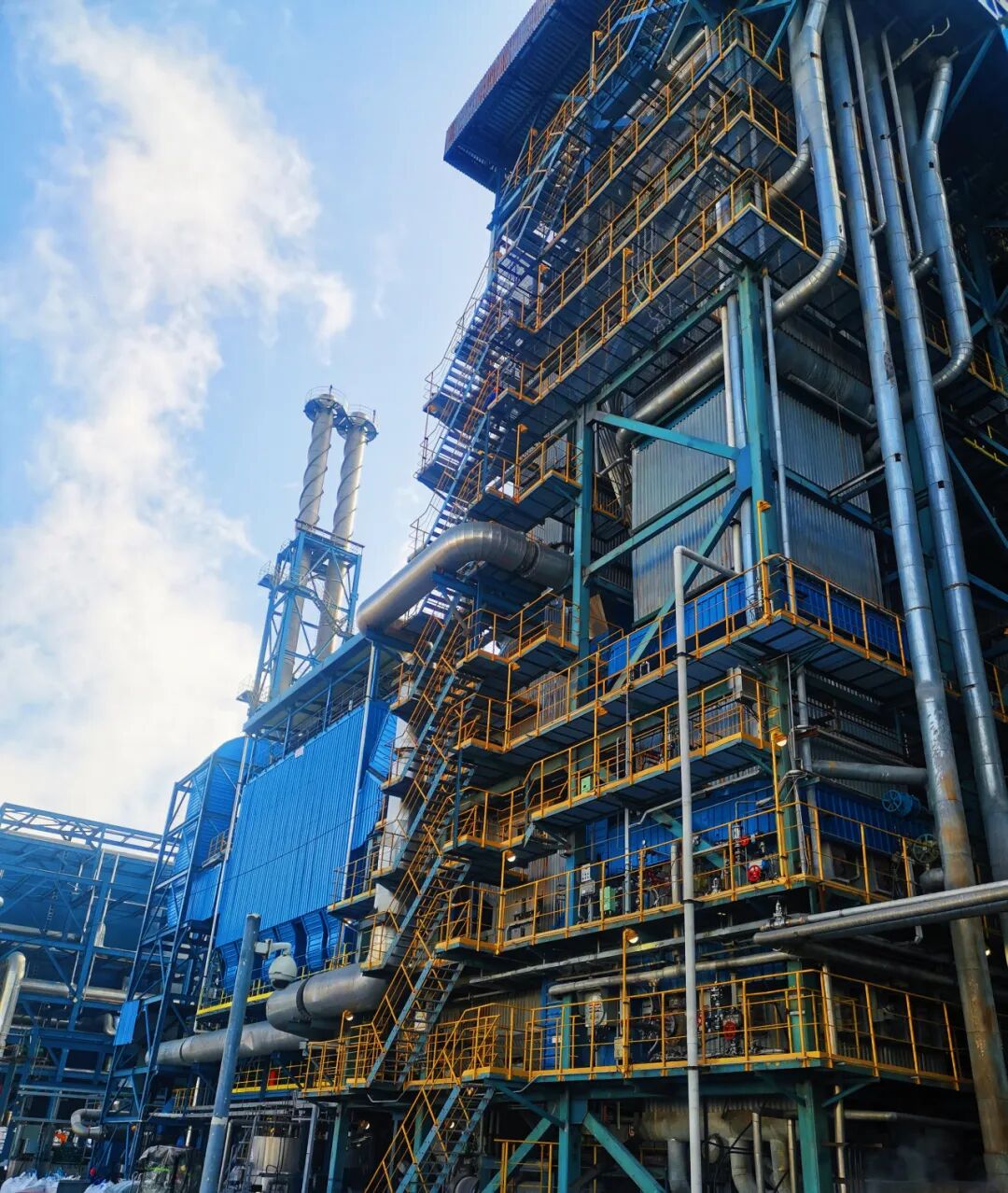
Founded in 2005 by professors from Zhejiang University's Institute of Thermal Engineering, pyneo has remained focused on the frontiers of energy and environmental technology. Its path from early research to the 2025 International First Set recognition for PTA high-salinity organic waste-liquid thermal-conversion equipment represents two decades of commercialization.
Nationally awarded low-NOx and clean coal-water-slurry combustion technologies underpin this capability. The PTA equipment achieves zero waste-liquid discharge, no solid waste leaving the site and ultra-low gas emissions. Sodium-carbonate recovery exceeds 95%, COD removal can reach 100%, annual hazardous-waste disposal is reduced by more than 30,000 tonnes and CO₂ emissions by more than 180,000 tonnes. These results connect technical progress with practical sustainability.
2. Three Dimensions of the Future Factory
Digital Twin Center: Engineers can build virtual production lines corresponding to physical installations. Virtual commissioning of SNCR reactors and three-dimensional management of solid-waste parks allow much process optimization to take place digitally, reducing trial-and-error costs and project duration while improving accuracy.
Intelligent Systems: An AI-plus-energy system is planned for retrofit applications. In petrochemicals, it can support simultaneous reductions in energy use and carbon-emission intensity per tonne of product, offering a practical route for traditional-industry upgrading.
Regional Energy Coordination: A platform at the base will gradually connect neighboring enterprises into a resource-sharing network, improving regional solid-waste utilization and supporting growth in sectors such as new-energy equipment manufacturing.
3. A New Position in Intelligent Transformation
AI is evolving from an auxiliary tool into an engine capable of changing production models. Applications in renewable generation, grid inspection and oil-and-gas exploration illustrate this shift. Industrial energy saving and environmental protection are also central to the transformation.
pyneo's digital-twin and AI systems address a key question: how can large volumes of industrial data become actionable optimization and green productivity? The company is developing a replicable, iterative intelligent solution to advance beyond design and operation based mainly on manual experience. The future factory provides a platform for that transition.
4. Green Development in the 15th Five-Year Plan Period
Following the 14th Five-Year Plan, China enters a new phase of energy-system transformation in 2026. Reform, market vitality and private-sector innovation contribute to that effort. pyneo's headquarters base is intended to serve both regional innovation and a visible demonstration of China's green, intelligent manufacturing capability.
The company will use the future factory to improve production methods, address energy efficiency and low-carbon development and support the industry's greener, more intelligent future.
Contributors: Yu Xiao and Wang Ping. Editor: Yang Miao. Reviewer: Ma Huiru.