



 To be the most satisfactory energy and environment company in the world




 Release Time:2025-12-18
 Source:pyneo
Breaking Through the PTA Waste-Liquid Treatment Bottleneck
As carbon goals and petrochemical upgrading advance, purified terephthalic acid (PTA)—a basic material for chemical fibers, light industry and construction—faces pressure from excess capacity, reduced margins and difficult environmental treatment. China accounts for 70% of global PTA capacity, yet high-salinity organic waste liquid has long relied on land-intensive, costly biological treatment.
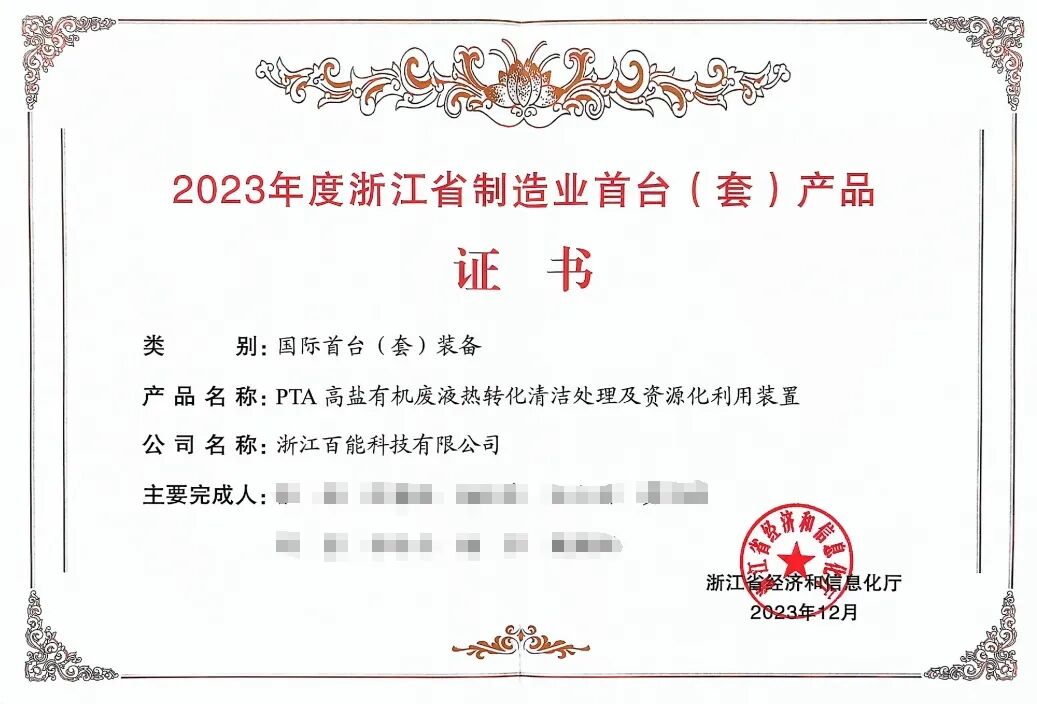
pyneo's independently developed PTA thermal-conversion clean-treatment and resource-recovery equipment, certified as International First Set equipment, offers an alternative route toward greener, more efficient production.
Industry Challenges and a New Approach
Every 10,000 tonnes of PTA production generates more than a thousand tonnes of high-salinity organic waste liquid, with COD of 5,000–200,000 mg/L and strongly fluctuating quality. Conventional anaerobic/aerobic treatment can occupy more than 10,000 m² per plant, incur high operating costs and still leave sludge and saline wastewater requiring further treatment.
Chairman and Zhejiang University Qiushi Distinguished Professor Zhou Junhu has emphasized resolving the tension between environmental requirements and costs as margins tighten. Drawing on over twenty years in clean, efficient energy, pyneo developed a thermochemical-conversion and resource-recovery route combining separated treatment, waste-heat circulation and comprehensive resource recovery, treating waste liquid as a resource rather than only as pollution.
The technology applies nationally awarded slurry combustion and flue-gas purification, holds nine invention patents and operates at Ningbo Zhongjin Petrochemical's six-million-tonne-per-year PTA project. In 2023, proprietary intellectual property, fully domestic key equipment and strong performance earned Zhejiang International First Set certification, marking a shift from dependence on overseas equipment toward domestic technical leadership.
How 1,100 Tonnes per Hour Becomes a Resource
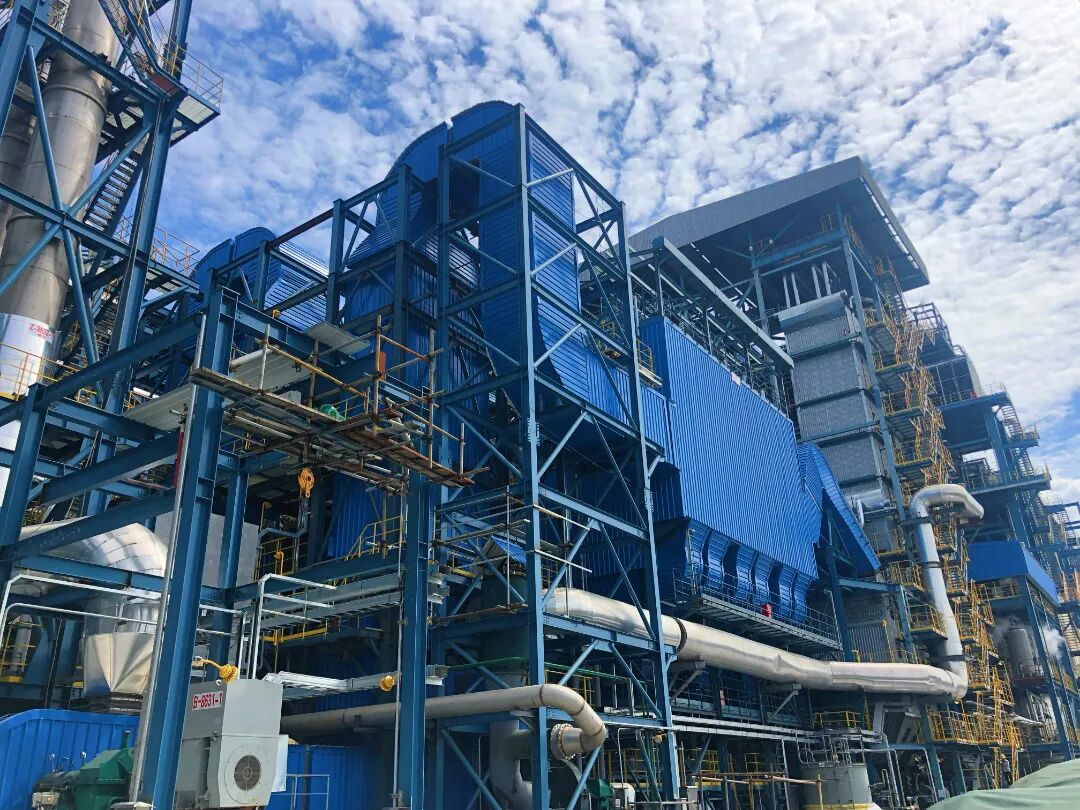
At Ningbo Zhongjin, 1,100 tonnes per hour of high-salinity waste liquid is concentrated using recovered PTA-process heat to just 15 tonnes per hour of concentrated slurry. A special alkali-recovery furnace incinerates the slurry at 1,100°C, decomposing organics and generating high-pressure steam for the main PTA unit. Ash is dissolved and purified, returning sodium carbonate, sodium bromide and other raw materials to production. The process achieves zero waste-liquid discharge, no solid waste leaving the site and ultra-low gas emissions.
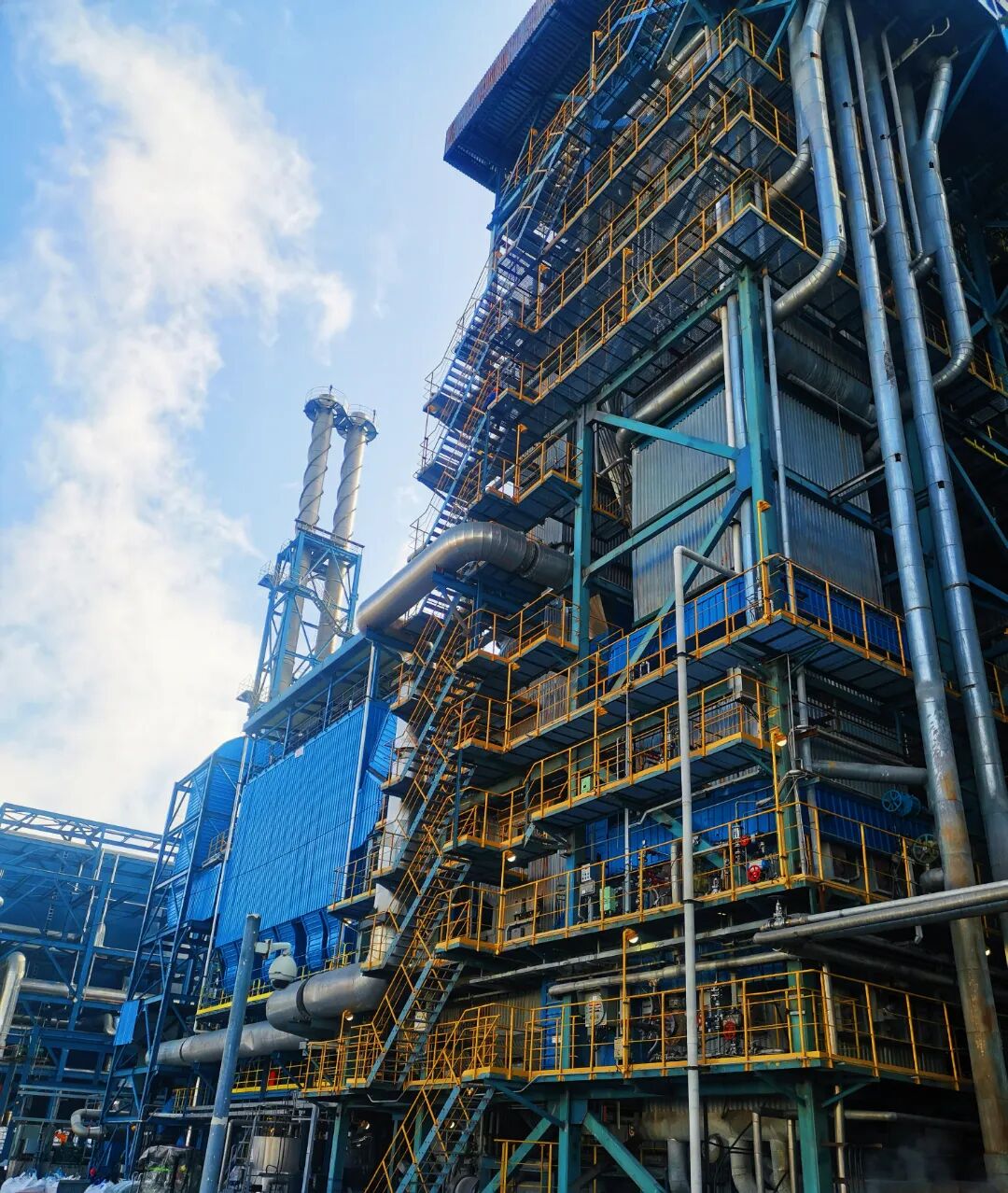
Three innovations underpin the system. Cascaded waste heat drives concentration with lower energy use. Continuous molten-salt recovery and liquid-slag discharge address sodium-salt agglomeration and plugging, with sodium-carbonate recovery above 95%. System-wide integration of multi-effect evaporation, low-NOx combustion and advanced purification achieves 100% COD removal and emissions well below national requirements without secondary treatment.
Operating data show a reduction of RMB 36 per tonne in PTA production cost and direct annual savings above RMB 200 million. Reused water reduces annual industrial-water consumption by more than eight million tonnes, saving over RMB 10 million in water charges. Steam production, sodium-carbonate recovery and water reuse generate nearly RMB 300 million in annual resource-recovery benefits. Overall payback is approximately two years.
References from Ningbo to Hainan
At Hainan Yisheng's 2.5-million-tonne PTA project, the equipment uses 40% less land than conventional treatment, matching the island's limited land resources. It reduces off-site industrial-salt discharge by more than 20,000 tonnes annually and supports the project's national green-factory recognition.
At Dalian Yisheng Dahua, pyneo supplies an integrated alkali-recovery furnace, multi-effect evaporation and ash-separation solution. Flexible operation helps the plant adapt costs to market fluctuations. Ningbo Zhongjin's operating system also reduces hazardous-waste disposal by more than 30,000 tonnes and CO₂ emissions by more than 180,000 tonnes annually through coordinated solid/liquid incineration, with dioxin emissions well below national limits.
Technology Supporting Industry Transformation
Professor Zhou's principle—responsibility for energy and the environment is responsibility for life—has guided more than twenty years of work. From Olympic-period power-plant denitrification that reduced NOx from commonly around 800 mg/m³ to 45 mg/m³, to PTA waste-liquid treatment, pyneo has used innovation to tackle difficult industrial challenges.
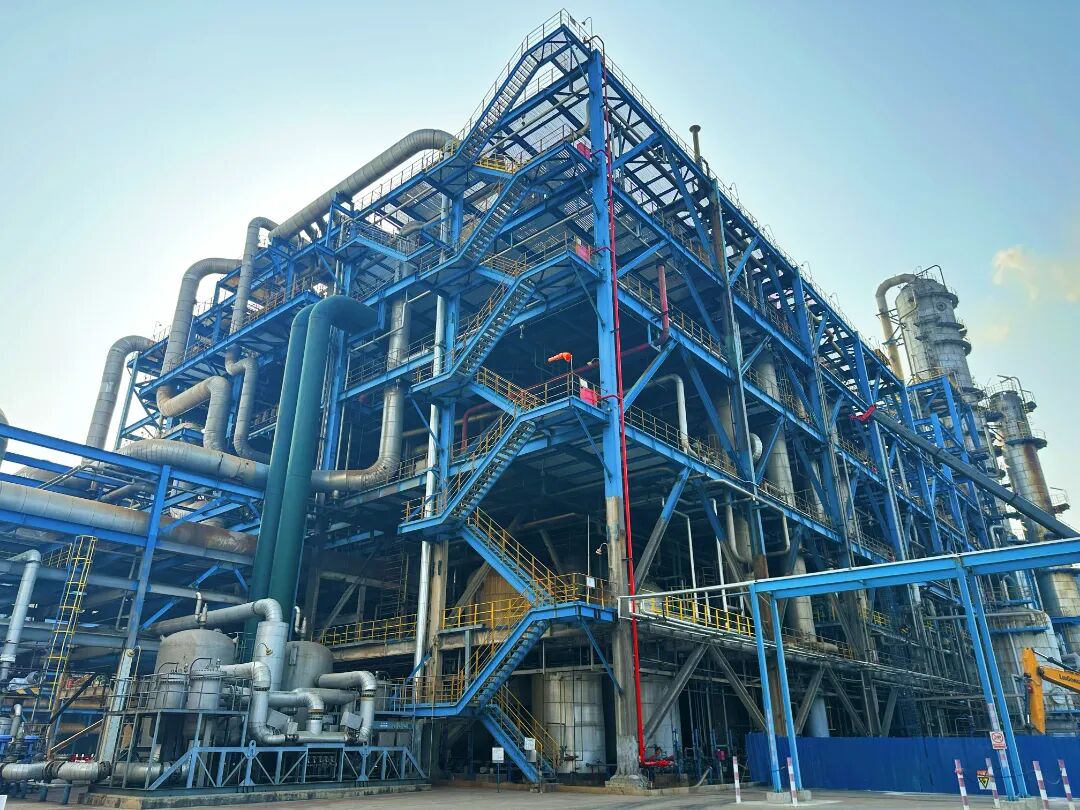
As the PTA industry adjusts capacity and structure, the equipment provides an integrated route to lower costs, better efficiency and compliant treatment. It supports a transition from competing mainly on scale toward competing on quality, making environmental improvement a source of productive value.
pyneo's experience shows how technological change can connect ecological protection with economic development. The transformation beginning with PTA waste-liquid treatment contributes to higher-quality petrochemicals and offers Chinese engineering expertise for the global green industrial transition.