



 To be the most satisfactory energy and environment company in the world




 Release Time:2023-07-31
 Source:pyneo
On July 31, 2023, the 17th pyneo Oriental Forum welcomed Professor Hu Yanjun of Zhejiang University of Technology for a presentation on clean energy utilization of solid recovered fuel.
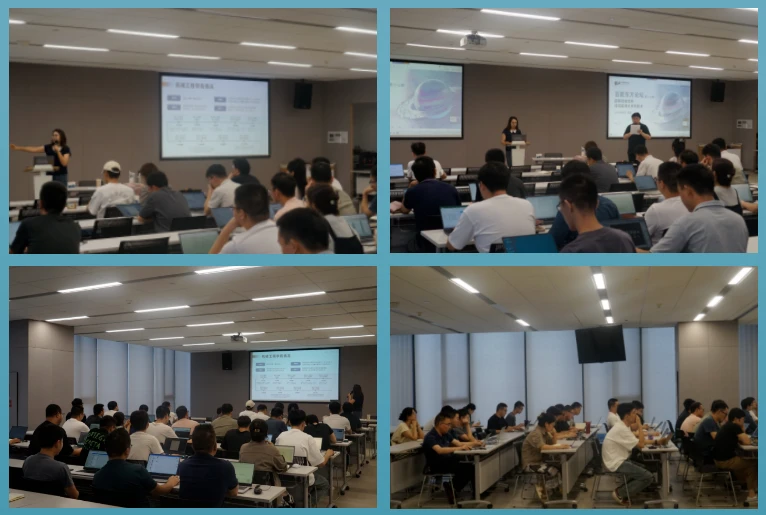
With global energy demand increasing and fossil resources declining, the potential energy value of industrial solid waste as a recoverable resource is receiving greater attention. Appropriate sorting, processing and thermal conversion can turn industrial solid waste into high-quality energy products such as solid recovered fuel (SRF) for electricity generation, heating and industrial production, combining material recovery with energy utilization.
Professor Hu’s team has analyzed SRF characteristics and established relationships between industrial SRF properties and thermal-conversion products. On that basis, the team proposed and evaluated co-firing SRF in coal-fired and other solid-waste incineration furnaces as a substitute for coal, providing a further option for industrial energy conservation and carbon reduction.
About the speaker
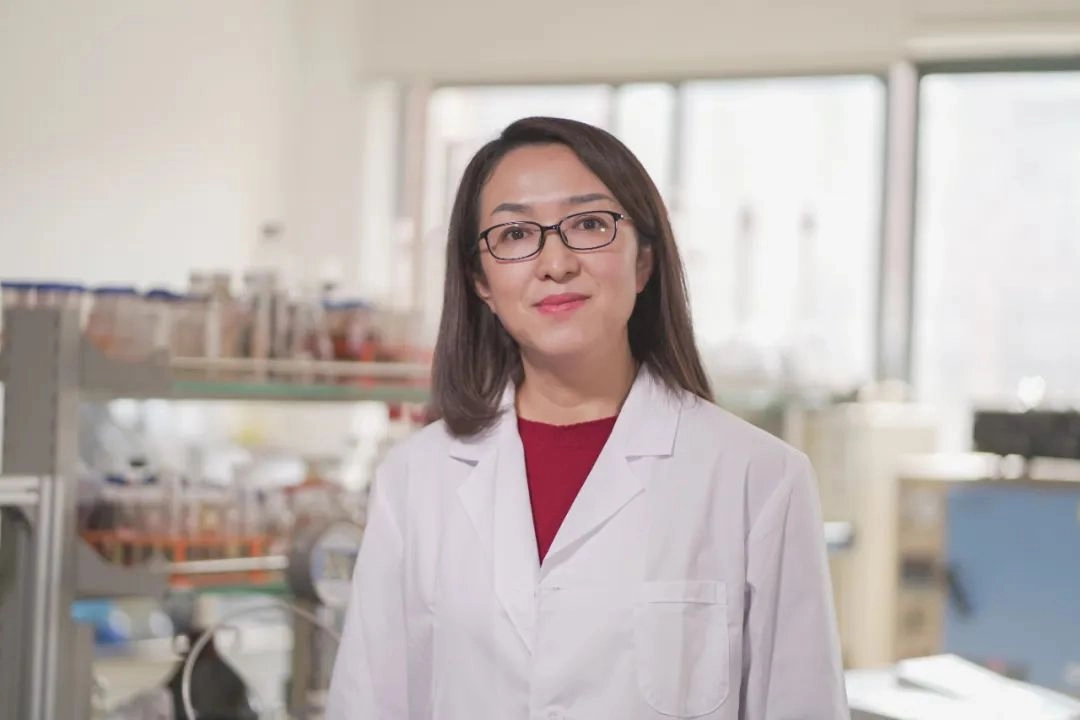
Professor Hu Yanjun is a doctoral supervisor and Director of the Institute of Energy and Power Engineering at Zhejiang University of Technology. He has been selected for Zhejiang’s program for young and middle-aged academic leaders in higher education and the university’s first young talent development program. His professional roles include Vice President of the Zhejiang Ecology and Environmental Restoration Association, council member of the Zhejiang Environmental Science Society, member of the Zhejiang Energy Standardization Committee, editorial board member of Waste Disposal & Sustainable Energy, and young editorial board member of the Journal of Fuel Chemistry and Technology and Energy Environmental Protection.
His research focuses on clean thermal conversion of organic solid wastes for pollution and carbon reduction, including pyrolysis and gasification, pollutant control during thermal conversion, solid-waste-derived biochar, and resource recovery from thermal-treatment residues. He has led more than 30 projects, including National Natural Science Foundation projects, key provincial natural science projects and provincial key R&D tasks. He has published more than 40 SCI papers in journals including Small, Journal of Hazardous Materials, Journal of Cleaner Production and Waste Management. As lead contributor, he received a first prize for scientific and technological progress from the China General Chamber of Commerce and an excellence award for industry–university–research innovation achievements. As a principal contributor, he received second prizes from Tianjin and the Shanghai Transportation Trade Association. He has delivered invited and specialist presentations at domestic and international conferences.
Research highlights
1. To clarify the formation and control of environmentally persistent free radicals (EPFRs) in combustion systems, the research systematically reviews their distribution on particle surfaces from different combustion sources.
2. It summarizes reaction mechanisms through which different transition metals react with typical organic precursors to form EPFRs and analyzes the key influencing factors.
3. It examines EPFR formation and evolution during thermochemical reactions across different temperature gradients. The work identifies competitive and synergistic reactions between precursors and transition metals on fine-particle surfaces under coupled conditions as an important area for explaining EPFR formation.